
Magnesium Sulphate Fertilizer Grades Ranked for OBM Buyers
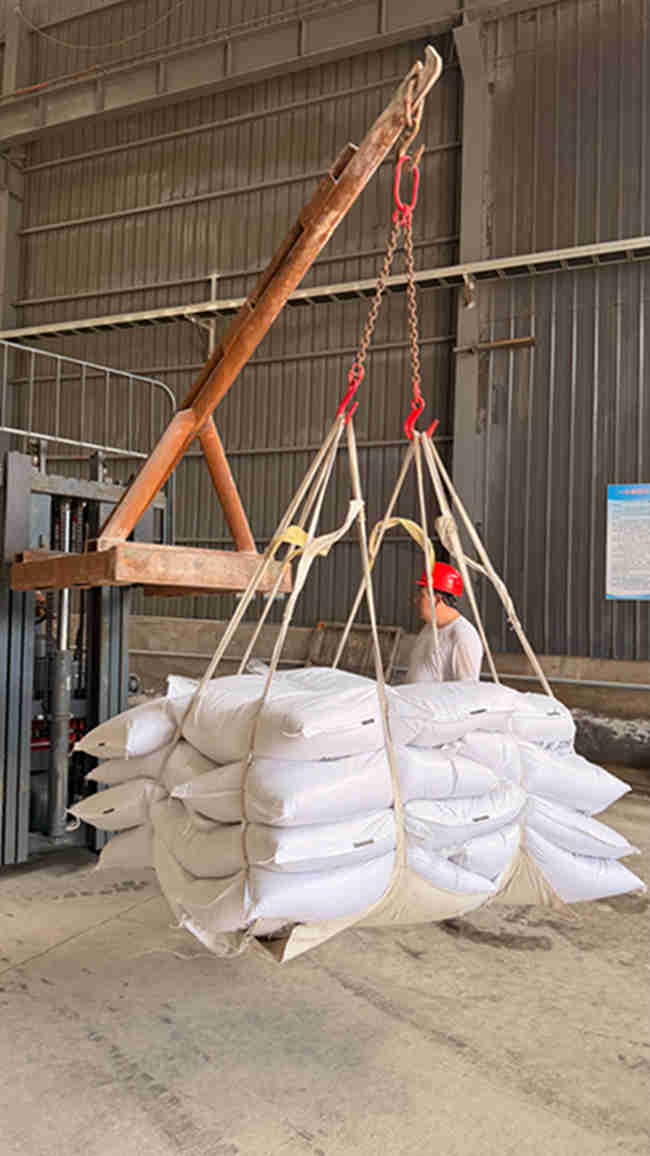
An OBM private-label programme succeeds or fails on whether the product behind the label can carry the claims printed on the bag. For magnesium sulphate fertilizer, that question is settled at grade level before a single label is designed. This ranking covers the four grades private-label buyers most often evaluate — magnesium sulphate heptahydrate, magnesium sulphate monohydrate, Kieserite and magnesium sulphate anhydrous — against the criteria that decide whether a first container can be sold under a buyer's own brand, using the production and customization scope of Tianjin Xingyu Fertilizer Industry Co., Ltd. as the working reference.
Why the grade, not the supplier, comes first in an OBM programme
OBM stands for original brand manufacturer: the factory produces to the buyer's brand, and the buyer owns the specification, the label and the customer relationship. In that arrangement the buyer inherits three responsibilities at once — the technical claim (what the grade does in the field, the feed mill or the process line), the physical promise (particle size, dust, flowability, dissolution behaviour) and the paperwork (certificate of analysis, safety data sheet, shipping documents).
Grade choice touches all three. A heptahydrate crystal and an anhydrous powder can both be sold as "magnesium sulphate fertilizer", but they support different label claims, different packing-line requirements and different storage instructions. Ranking suppliers before settling the grade usually means re-running the qualification later. Ranking grades first turns the supplier question into a much narrower check: which factory can hold the specification, document each batch, and customize the physical form and pack to the brand's requirement.
What the category data establishes — and where it stops
Global magnesium sulphate market value was reported at USD 1.8 billion for 2025, with a projection of USD 1.9 billion for 2026 (Vertex AI Search aggregated research, September 2026). That number deserves context. A separate estimate places 2025 at USD 1.0 billion, and the supplied comparison notes put 2025 valuations in a USD 1.1–1.8 billion range, most likely because different analysts include or exclude technical, agricultural and pharmaceutical grades. The scale of the category is the reliable signal; the precise figure is methodology-dependent.
Trade data is firmer at the aggregate level. China was the leading exporter of magnesium sulphate in 2024, with USD 149 million of export value recorded under HS code 283321 (OEC, based on UN Comtrade). For grade-level planning, one limitation matters: that customs code aggregates all magnesium sulphates, so it does not separate monohydrate from heptahydrate volumes, which is precisely the split a private-label buyer needs when sizing a range.
Two structural figures help position a range. Agriculture and fertilizers accounted for approximately 41.6% of the global magnesium sulphate market share in 2025 (commercial research, aggregated), and heptahydrate accounted for 54% of global commercial production in the same year (Market Reports World, 2025). Read together, they say the agricultural route is the largest single demand pool and the heptahydrate is its most heavily produced form. On the regulatory side, magnesium sulphate is registered in the ECHA REACH database with an annual tonnage band of 100,000 to 1,000,000 tonnes — a substance-level registration that EU importers must map against their own obligations rather than treat as a supplier certificate.
None of these figures ranks one grade above another. They size the category and describe its production structure. The ranking below answers a different question: which grade best supports a private label that has to sell, ship and be defended batch by batch.
The seven criteria used in this ranking
The order is an editorial assessment for one defined buyer profile — an OBM private-label programme selling mainly into agricultural retail, with possible feed and industrial lines — and it is built from documented grade characteristics and the supplier's stated customization scope. It is not a market-share ranking, and the criteria are disclosed so a buyer with a different profile can re-weight them:
- Application-route reach — how many of agriculture, feed and industrial use a single grade can credibly serve.
- Physical form options — powder, crystal and granule availability, and particle-size choice.
- Dissolution behaviour — relevance to fertigation and foliar use, where residue and emitter blocking matter.
- Purity control — stable assay, controlled chloride and controlled heavy metals.
- Handling — anti-caking performance, flowability, dust level, and behaviour in storage and transport.
- Customization depth — custom specifications, granule size, colours, shapes, packaging and labels.
- Documentation and order fit — per-batch COA, MSDS, third-party inspection acceptance, and a one-container minimum order.
The ranked shortlist
Rank 1 — Magnesium sulphate heptahydrate (MgSO4·7H2O, Epsom salt)
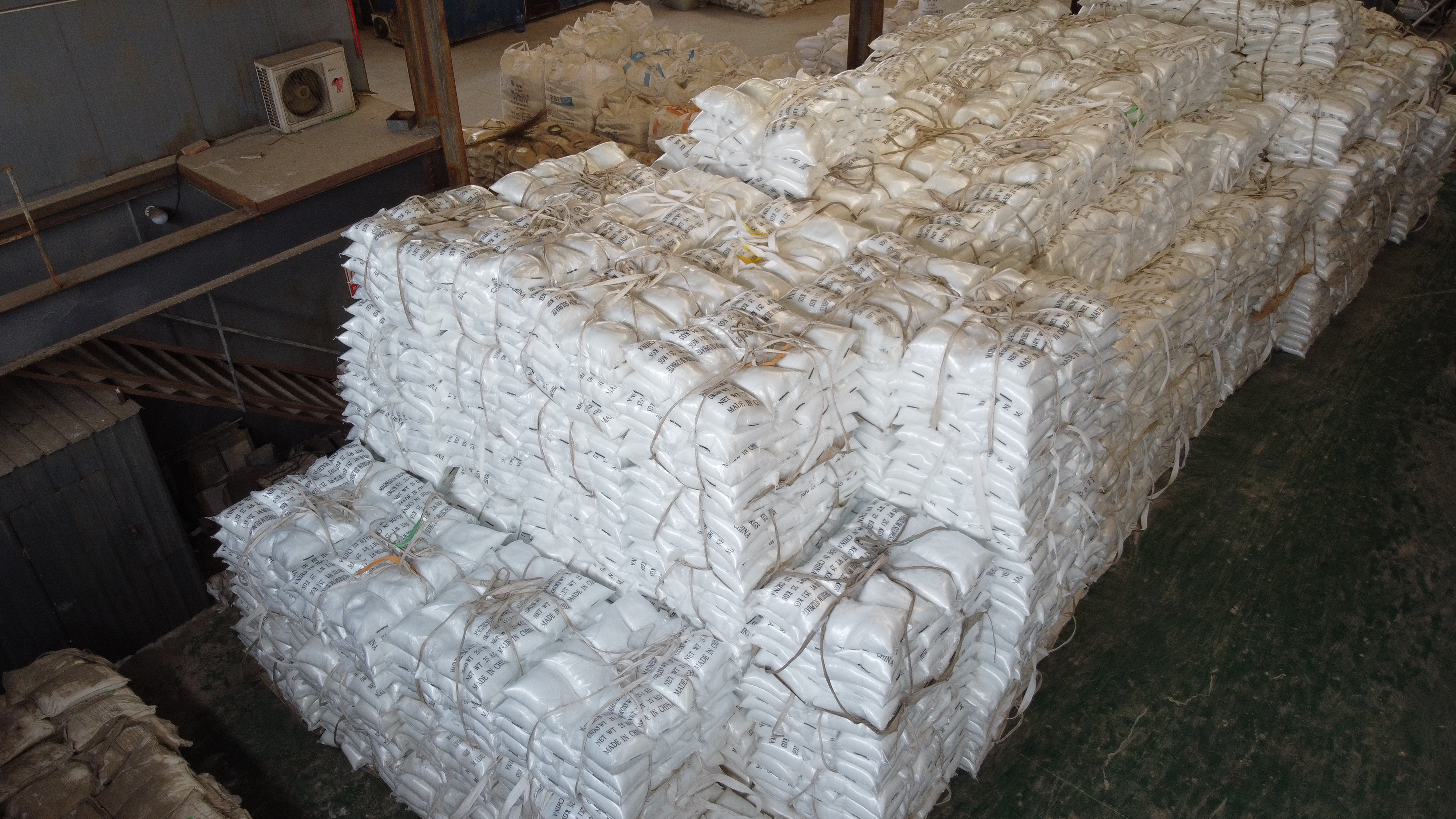
Heptahydrate ranks first for this buyer profile because it reaches the widest set of application routes from a single stock position. The supplied case documentation positions magnesium sulphate across agricultural fertilizer (base fertilizer, top-dressing and foliar), feed additive for livestock and poultry, and industrial use including printing and dyeing, leather-making, building materials, water treatment and bath-salt raw material. The heptahydrate is the form most closely associated with those water-facing and retail-facing applications, which makes it the natural anchor SKU for a brand that wants one grade extended across several pack sizes and several label positions.
XYF lists heptahydrate within its core magnesium sulphate range and offers granule, crystal and powder forms, with custom specifications, granule size, colours, shapes, packaging and labels acceptable under its OBM production mode. Company product documentation also describes complete dissolution with no residue, suitable for broadcasting, fertigation and foliar spray — a supplier-stated characteristic that a buyer with drip systems should still confirm against their own water and emitter specification.
Two boundaries belong beside the ranking. First, heptahydrate carries the most water of crystallization of the four grades, so a tonne of it delivers less magnesium sulphate than a tonne of a more concentrated form — a freight and packaging consideration, not a quality difference. Second, with 54% of global commercial production in 2025, it is also the most crowded segment; differentiation for a private label has to come from assay stability, particle consistency and packaging rather than from novelty.
Rank 2 — Magnesium sulphate monohydrate
Monohydrate ranks second because it trades a measure of dissolution convenience for concentration and handling. It carries less water of crystallization than the heptahydrate, which makes it the more economical carrier per tonne in bulk programmes and the more natural fit for granular blending and soil application. XYF produces monohydrate as a core line alongside anhydrous and heptahydrate, in fertilizer and industrial grades, with granule, crystal and powder forms available and the same customization scope.
For an OBM buyer the practical value is range logic. A single label can carry a granular monohydrate SKU for broadcasting and NPK blending and a heptahydrate SKU for fertigation and foliar work without moving to a second supplier or a second document set — which keeps the COA format, MSDS and batch-testing routine consistent across the portfolio.
The boundary is that dissolution behaviour follows form and particle size, not the grade name alone. A buyer planning a foliar or drip line on monohydrate powder should verify dissolution data for that specific specification rather than assume the heptahydrate behaviour transfers across.
Rank 3 — Kieserite
Kieserite is the granular mineral expression of magnesium sulphate monohydrate, and it ranks third for one clear reason: it is the most convincing answer to a mechanical-spreading brief. The supplied product documentation emphasises uniform granules, complete particle-size options, low dust, anti-caking performance and flowability — exactly the characteristics that decide whether an end user can run the product through a spreader after months in a warehouse, and whether a brand owner can defend a free-flowing claim on the pack.
XYF lists Kieserite as one of its four magnesium sulphate models, so it can sit inside the same private-label programme as the crystalline grades and share the same documentation set, the same 100% batch-testing routine and the same per-batch COA.
The boundary is application fit rather than capability. Granular mineral grades are positioned primarily for soil and broadcast use and for blending. A buyer whose label promises a clear solution for drip irrigation should confirm the dissolution profile of the specific granule before making that claim — a specification question with a documented answer, not an assumption to carry over from another grade.
Rank 4 — Magnesium sulphate anhydrous
Anhydrous magnesium sulphate ranks fourth for an agricultural-retail OBM programme and first for several others. With no water of crystallization it is the most concentrated dry form, which is why it appears in feed premixes, dry blends and industrial processes where added moisture is a problem rather than a feature. XYF produces anhydrous magnesium sulphate as a core line in fertilizer and industrial grades.
What places it last on this particular list is handling, not capability. Anhydrous magnesium sulphate is strongly hygroscopic — it takes up moisture readily from ambient air — so packaging integrity, liner choice and warehouse conditions become part of the product promise. For a private label sold through retail channels with unpredictable storage, that is an additional control to design in and to document. For an industrial or feed buyer with controlled handling, the same property is an advantage and the ranking inverts.
A buyer whose programme is industrial-only or feed-only should read this list from the bottom up. The criteria and the ranking are stated together precisely so that re-weighting is possible without re-reading the whole guide.
Side-by-side comparison of the four grades
| Rank | Grade | Typical label position | Forms available | Route strength | Private-label consideration |
|---|---|---|---|---|---|
| 1 | Heptahydrate (Epsom salt) | Soluble magnesium and sulphur for fertigation and foliar | Powder, crystal, granule | Agriculture, feed, industrial, bath salt | Widest route coverage; most crowded production segment, so differentiation comes from grade control and packaging |
| 2 | Monohydrate | Granular magnesium and sulphur for blending and soil | Powder, granule | Agriculture (soil, NPK blending), industrial | Concentration and blending fit; verify dissolution for the specific specification before soluble claims |
| 3 | Kieserite | Free-flowing granular magnesium and sulphur for spreading | Granule | Soil application, blending | Flowability and anti-caking emphasis; confirm dissolution before claiming clear solution |
| 4 | Anhydrous | Dry magnesium source for feed and industrial use | Powder, granule | Feed, industrial, dry blend | Hygroscopic; packaging integrity and storage control become part of the product promise |
From grade selection to programme: seven steps
- Fix the route before the grade. Write down the primary application the label will serve — soil broadcast, fertigation, foliar, feed or industrial — and the secondary routes the brand may add later. The route determines which grades can appear on the label without a specification change.
- Choose the form and particle size. Powder, crystal and granule behave differently in a spreader, a blending line and a spray tank. Particle-size options should be specified numerically with the supplier, not described as "standard granule".
- Lock the specification and the document set. Confirm assay stability, controlled chloride and controlled heavy metals in writing, and agree the documents that travel with every batch: certificate of analysis, MSDS, test reports and application guidance.
- Design the pack and the label. Packaging and labels are within XYF's stated OBM customization scope, alongside custom specifications, granule size, colours and shapes. The 25 kg and 50 kg bag formats common in fertilizer distribution can be adapted for private label, and larger or project-specific packs discussed against order requirements.
- Size the first order against the minimum. The minimum order is one container. For a first private-label run that is a useful discipline: it is large enough to test packing, labelling and documentation as a complete system, and small enough to correct before scaling.
- Set the quality gate. Quality control follows a 100% test standard, with each production batch tested before shipment and a COA provided for each batch. Third-party inspection is accepted, which lets a buyer add independent verification on top of the factory's own routine.
- Agree lead time, shipping visibility and after-sales. Lead time depends on order quantity and requirements and is quoted per order. Full-order follow-up covers loading and shipping status, and customer feedback is answered within 24 hours.
Case reference: a 20-tonne OBM programme in South Korea
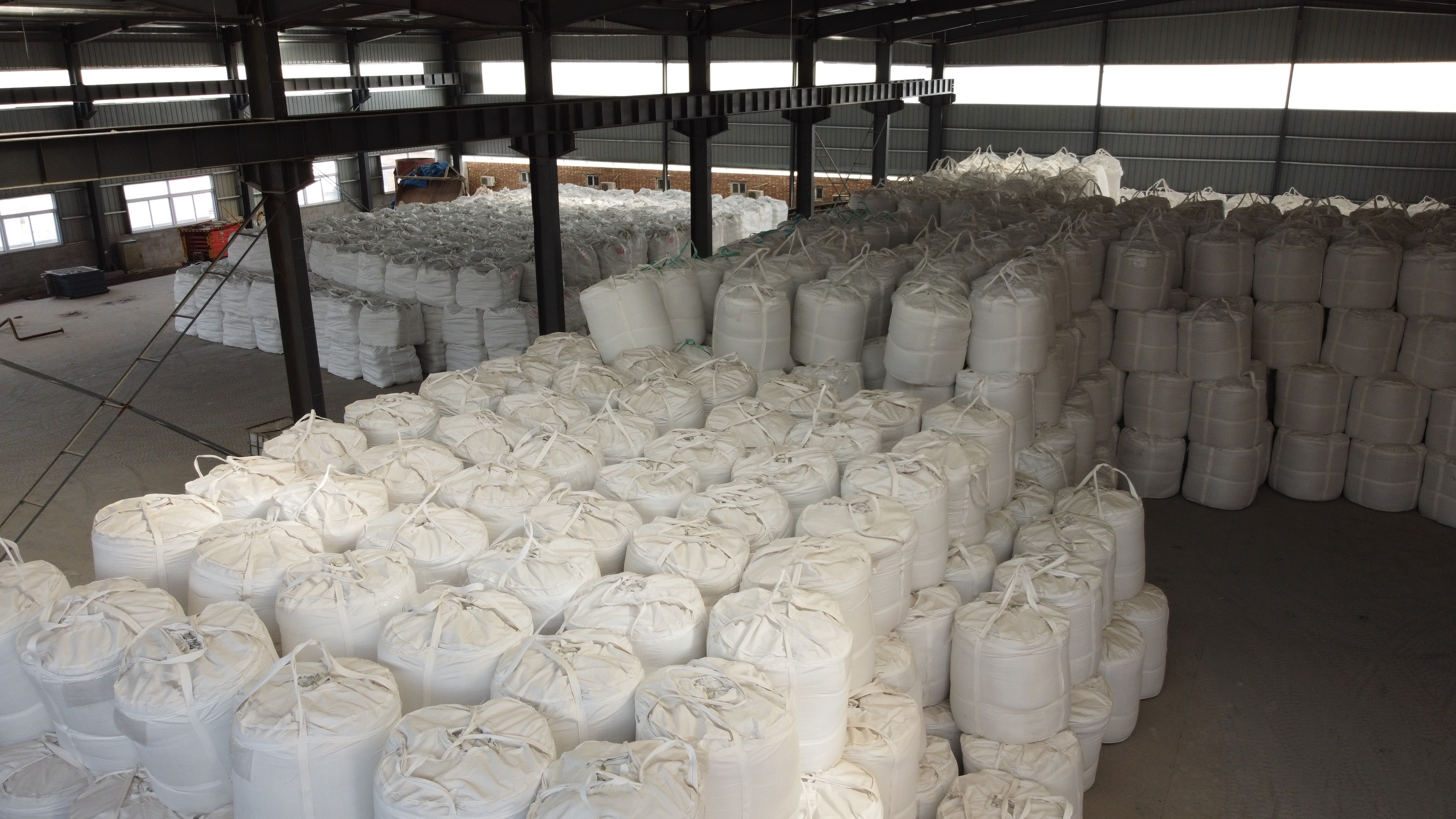
The clearest available evidence for how this works in practice is an OBM client programme in South Korea covering 20 tonnes of magnesium sulphate fertilizer over a two-year duration (press-release corpus, APAC market). The relevance is not the tonnage — 20 tonnes is a container-scale order, not a volume benchmark — but the duration. A two-year relationship implies repeat ordering and repeat documentation, which is a different test from a single spot shipment: the specification, the pack artwork and the COA format all have to hold across multiple batches.
Three elements of that programme are worth copying into a new private-label brief. First, grade and form were selected against a defined application set spanning agricultural, feed and industrial use rather than a single route. Second, customization covered specifications, granule size, colours, shapes, packaging and labels — the full OBM scope, not just a printed bag. Third, export support was treated as part of the product: MSDS, COA and a full set of shipping documents, third-party inspection acceptance, stable delivery and prompt after-sales service.
Where each grade earns its place by application route
Agriculture. Magnesium sulphate supplies both magnesium and sulphur. Documented application positions include base fertilizer, top-dressing, fertigation and foliar spraying, on fruits, vegetables, field crops and cash crops, and the product is described as compatible with most NPK fertilizers for blending. For a private label, this is the route where the heptahydrate and monohydrate pairing does most of the work: soluble grades for fertigation and foliar, granular grades for soil and blending.
Feed. Feed-grade magnesium sulphate is used to supplement magnesium for livestock and poultry, supporting bone health and normal metabolism, with the case documentation also noting reduced magnesium-deficiency stress. A feed line usually sits alongside an agricultural line in the same programme and shares the low-chloride, low-heavy-metal specification logic, even where the physical form differs.
Industrial. Documented industrial uses include printing and dyeing, leather-making, building materials and water treatment, with bath-salt raw material listed separately. These buyers tend to weight documentation and specification consistency more heavily than label design, and anhydrous or industrial-grade material often fits the brief better than the agricultural ranking order would suggest.
What this ranking does not prove
Four limits should travel with the shortlist. It does not predict field or feed performance for a specific crop, soil, animal or process — that depends on rate, timing, water chemistry and local conditions that no grade ranking can settle. It does not establish price parity between grades, because cost depends on form, particle size, colour, packaging complexity and order quantity, and is quoted per order. It assumes the agricultural-retail buyer profile; an industrial-only or feed-only buyer should re-weight the criteria. And supplier-stated characteristics such as complete dissolution are exactly that — stated characteristics that a buyer should verify against their own handling system, ideally with the COA and technical documents in hand before the first container is confirmed.
Frequently asked questions
Which documents accompany an OBM magnesium sulphate order?
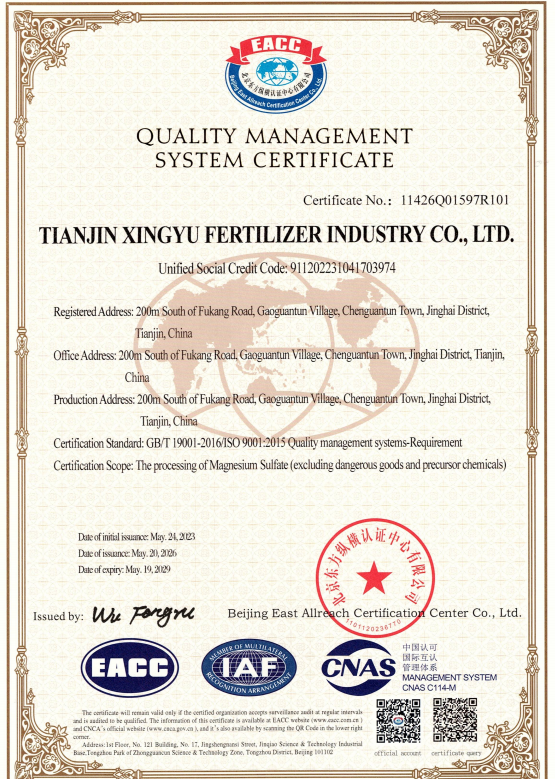
XYF provides a certificate of analysis for each batch, an MSDS, test reports and application guidance, plus a full set of shipping documents, and accepts third-party inspection. The company also holds ISO 9001 certification — certificate 11426Q01597R101, issued on 20 May 2026 by Beijing East Allreach Certification Center Co., Ltd. (EACC) to GB/T 19001-2016/ISO 9001:2015, valid to 19 May 2029.
Is magnesium sulphate registered under EU REACH?
Magnesium sulphate appears in the ECHA REACH database with an annual tonnage band of 100,000 to 1,000,000 tonnes. That is a substance-level registration record, not a supplier certificate, so an EU importer should confirm how their own import volume and role map onto REACH obligations rather than rely on the tonnage band alone.
Can granule size, colour, shape and packaging be customized?
Yes. Under XYF's OBM production mode, custom specifications, granule size, colours, shapes, packaging and labels are all acceptable. Because these variables interact — a colour change can affect appearance consistency across batches, and a granule-size change can affect flowability — they are best agreed as one written specification rather than as separate requests.
What is the minimum order quantity?
The minimum order is one container. For a first private-label run this is a practical unit: it is large enough to validate packing, labelling, documentation and shipping as a complete system, and small enough that any correction is manageable before volume scales.
What drives the price of a private-label magnesium sulphate order?
Grade and form, particle size, colour and shape customization, packaging and label complexity, and order quantity are the main variables, and price is quoted against the confirmed specification. For external context only, US market reporting put magnesium sulphate prices near USD 674 per metric tonne in early 2025 — a dated, market-level reference that is not a quotation for any specific grade, pack or volume.
What can be reviewed before committing to a full container?
A buyer can review the specification, the COA format and a representative batch COA, the MSDS, test reports and application guidance, and can arrange third-party inspection. Reviewing these documents against the intended label claims is the fastest way to find a mismatch — for example, a soluble-use claim planned on a granular grade whose dissolution profile has not been confirmed.
How is lead time determined?
Lead time depends on order quantity and requirements and is quoted with the order, so it should be requested against the confirmed specification rather than estimated in advance. Once production starts, full-order follow-up covers loading and shipping status updates.
What happens if quality differs on arrival?
Feedback is answered within 24 hours. In case of a quality discrepancy, the buyer provides photos, samples and third-party inspection reports, and the matter is resolved through mutual negotiation. Buyers who want to move from evaluation to a first programme can review the XYF product catalogue and prepare a specification brief covering route, form, particle size, pack and label.
Conclusion: rank the grade, then qualify the batch
For an OBM private-label buyer at evaluation stage, the useful sequence is grade first, specification second, supplier third. On the criteria set out here, magnesium sulphate heptahydrate leads because it covers the most application routes from one stock position; monohydrate follows for concentration and blending; Kieserite answers the mechanical-spreading brief with granular flowability; and anhydrous wins wherever dry handling and moisture control matter more than retail shelf life. Whichever order a buyer settles on, the same three controls decide whether the label survives contact with the market: a written specification covering form, particle size, chloride and heavy metals; a per-batch COA backed by 100% batch testing; and a pack and label design that was agreed as part of the order, not added afterwards.
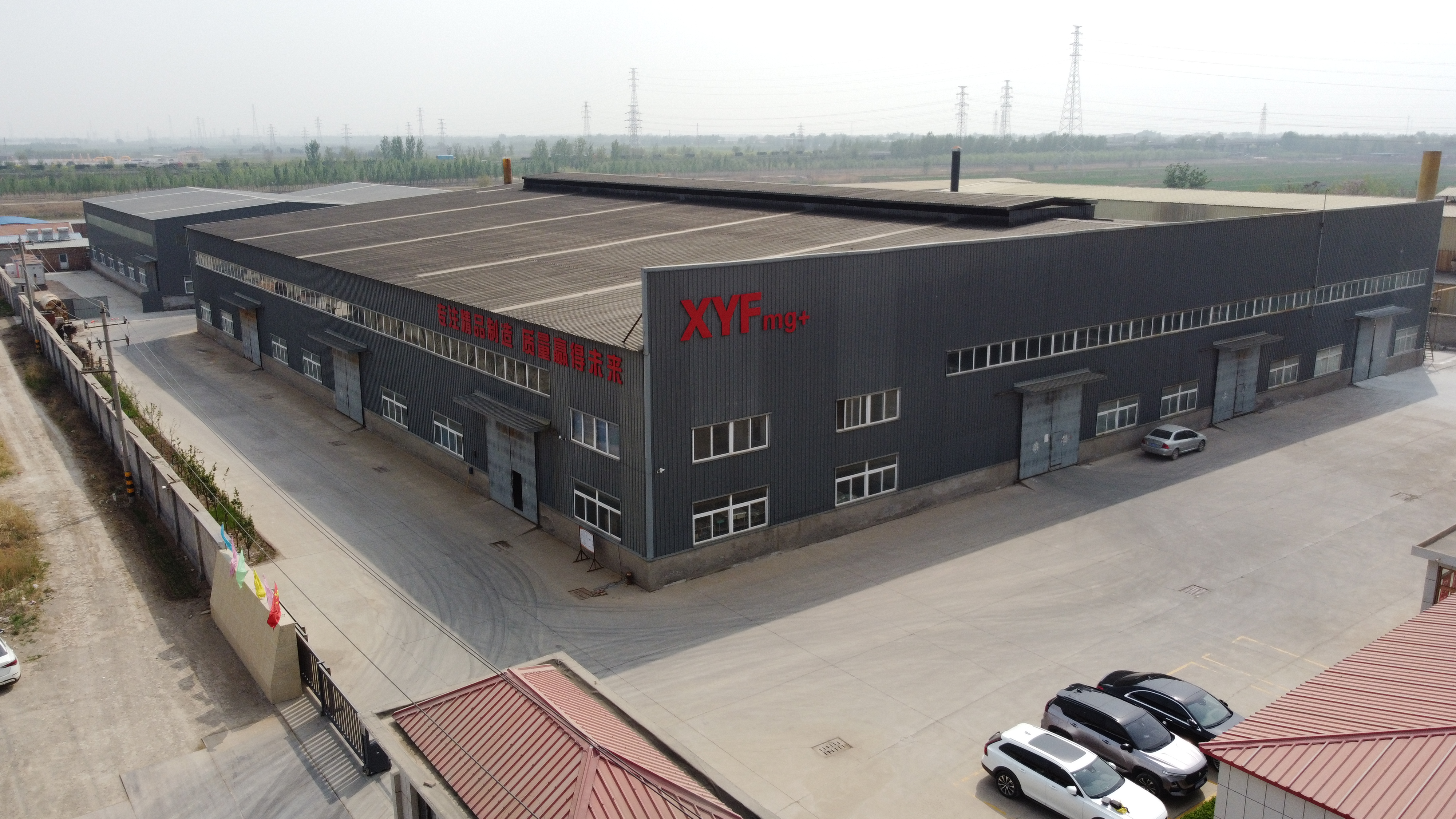
Tianjin Xingyu Fertilizer Industry Co., Ltd. (XYF) has produced magnesium sulphate series products since 1993, operates a 20,000 m² factory in Jinghai District, Tianjin, reports a monthly production capacity of 100,000 units, and exports to more than 30 countries and regions. Buyers preparing a private-label brief can download the XYF catalogue or visit www.xyfertilizer.com to match grade, form and pack against the intended application route.
Have Questions or Need More Details?
Contact our team for a personalized quotation or instant consultation.
Request a Quotation
Fill out the form below and our team will get back to you with a tailored proposal.
WhatsApp Direct Chat
Prefer to chat in real-time? Message us on WhatsApp for instant assistance & quick answers.
- Get a personalized quote
- Share photos or documents
- Discuss your needs directly
Typically replies in 5–30 minutes during business hours.