
Magnesium Sulphate Fertilizer Supplier Evaluation: Capacity, MOQ and Batch Testing Evidence
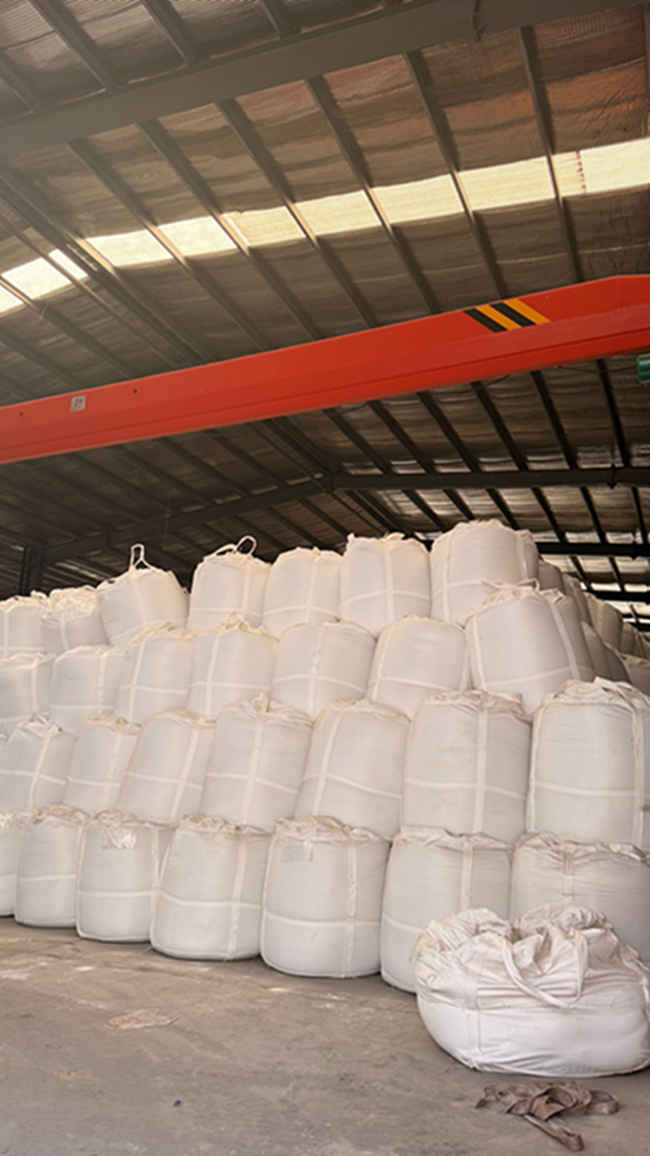
A magnesium sulphate fertilizer supplier is only as dependable as the evidence behind its capacity, order terms and batch records. Four data points settle most of the decision at this stage: how much the plant can produce each month, what the minimum order quantity (MOQ) is, how lead time is calculated, and what proof exists that every batch meets specification.
Tianjin Xingyu Fertilizer Industry Co., Ltd. (XYF) is a magnesium sulphate manufacturer founded in 1993 and located in the Chenguantun Town Industrial Park, Jinghai District, Tianjin, China. Its published operating evidence — a monthly production capacity of 100,000 units and approximately 1,200,000 units per year, an MOQ of one full container, lead time quoted by order quantity, 100% batch testing with a COA issued per batch, and acceptance of third-party inspection — forms a practical checklist that buyers can apply to any supplier they are shortlisting.
Problem Definition: Why Supplier Comparisons Fail After the Order Is Placed
Most magnesium sulphate fertilizer comparisons stop at three variables: grade, form and price per ton. All three are easy to quote and easy to imitate. None of them tells a buyer whether the supplier can hold an assay of ≥99.5% across a twelve-month contract, whether the granules will still flow through a spreader after six months in a warehouse, or whether a container will actually be loaded in the week it was promised.
The degradation pattern in this category is well documented. Traditional magnesium sulphate fertilizer can show unstable purity, higher impurity levels, heavy dust, caking and dissolution residues, which limits it to basic soil application. Those same characteristics translate into unstable test results and more commercial disputes downstream. A low-chloride product manufactured under tighter process control produces the opposite profile: stable test data and few quality claims.
That is the real decision problem. A buyer who is shortlisting suppliers is not choosing between two prices; they are choosing between two risk profiles — one supported by documents, the other supported only by a quotation.
Industry Background: What Buyers Are Choosing Between in 2026
Magnesium sulphate is a mature commodity, but the supplier landscape is not uniform. The global magnesium sulfate market reached USD 1.8 billion in 2025 and is projected to reach USD 1.9 billion in 2026, based on aggregated market research. Agriculture and fertilizers account for approximately 41.6% of that demand, which is why fertilizer-grade sourcing decisions dominate the category.
Product mix shapes availability. Heptahydrate — widely sold as Epsom salt — represents 54% of global commercial production, while anhydrous magnesium sulphate, monohydrate magnesium sulphate (Kieserite) and granular Kieserite serve blending, mechanical spreading and industrial applications. A supplier that carries only one form cannot easily substitute when a buyer's blending formula, irrigation system or spreading equipment changes.
Trade data concentrates manufacturing in a small number of exporting countries. In 2024, China was the leading exporter of magnesium sulphate, accounting for USD 149 million in export value under HS code 283321. For European buyers, magnesium sulphate is registered in the ECHA REACH database with an annual tonnage band of 100,000 to 1,000,000 tonnes, so mainstream suppliers are expected to operate inside a formal regulatory framework rather than around it.
Price references move sharply by region and grade. US magnesium sulphate market prices were expected to stabilize near USD 674 per metric ton in early 2025 — an indicative figure for that market rather than a global benchmark, because form, packaging and chloride limits shift the number materially.
XYF's production range covers full ranges of anhydrous magnesium sulphate, monohydrate magnesium sulphate and heptahydrate magnesium sulphate, together with magnesium oxide, sulfur magnesium fertilizer and a series of medium and trace element fertilizers, in both fertilizer grade and industrial grade. Approximately 70% of output is exported, reaching more than 30 countries and regions across Southeast Asia, Europe and America.
The Five Pieces of Evidence That Decide a Magnesium Sulphate Fertilizer Supplier
1. Verified production capacity — monthly and annual
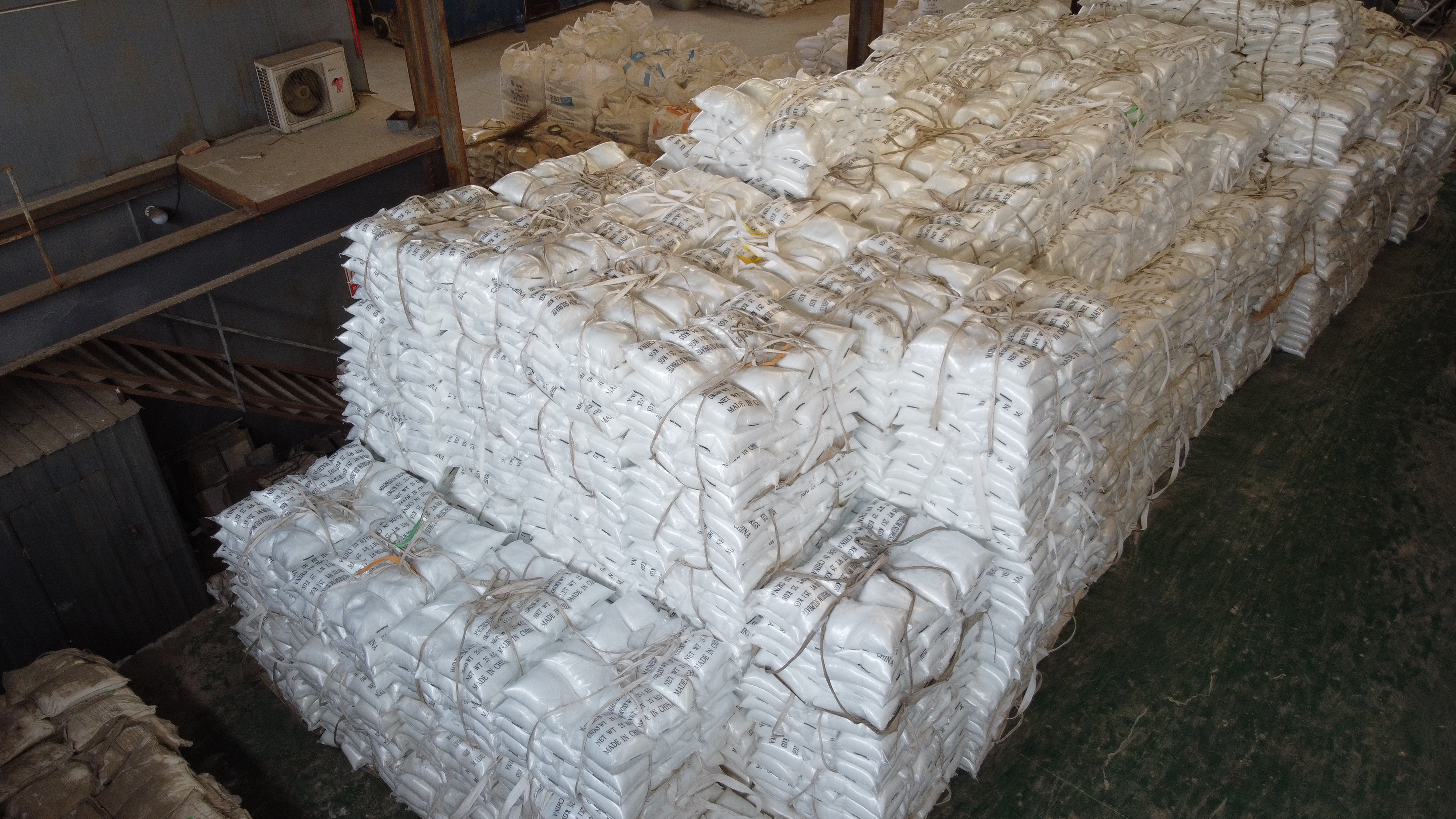
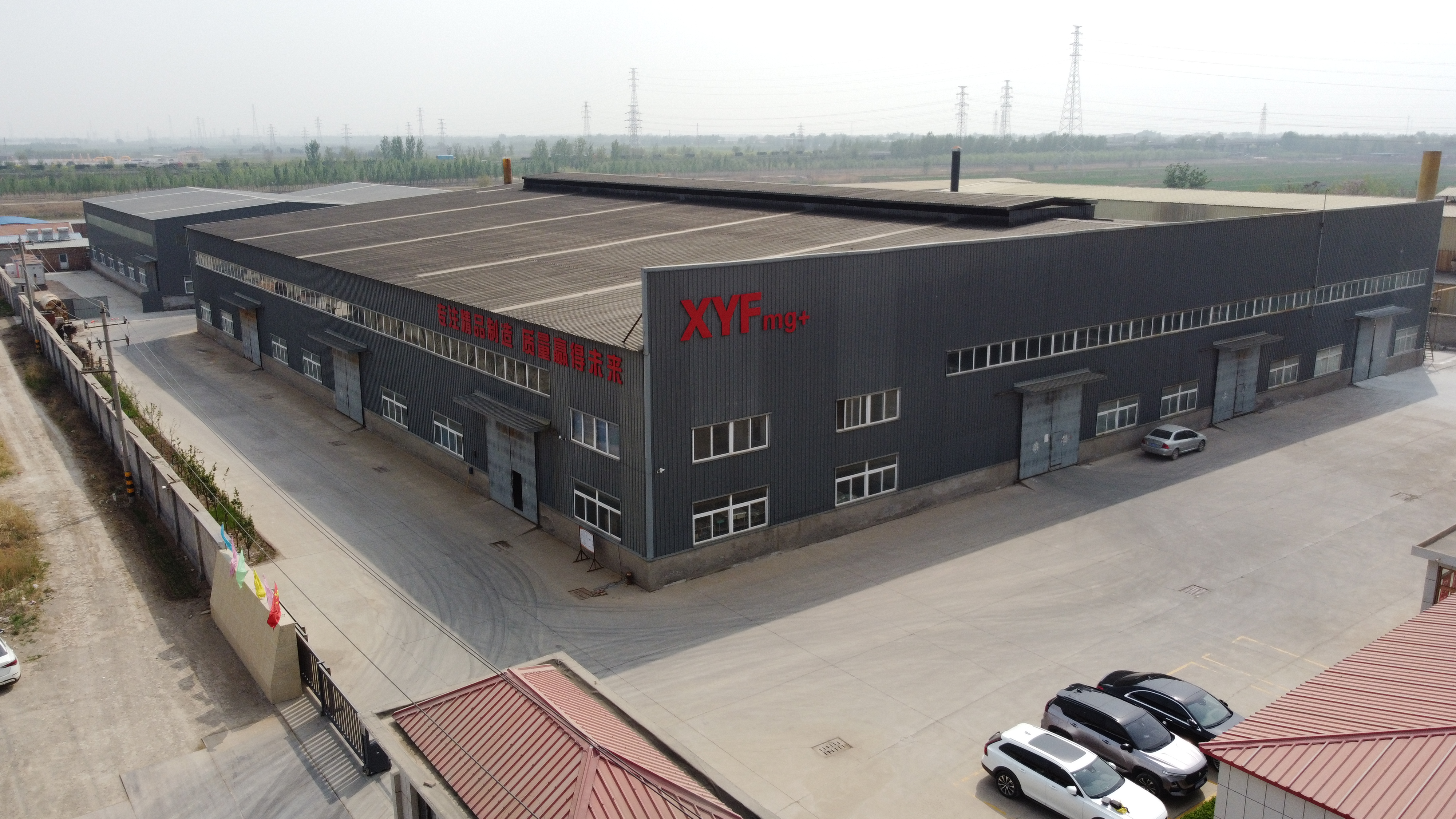
XYF reports a monthly magnesium sulphate production capacity of 100,000 units and approximately 1,200,000 units per year. A capacity claim is only credible if the physical base behind it can be inspected, and in this case the base is a 20,000 m² factory in the Chenguantun Town Industrial Park, Jinghai District, Tianjin, equipped with automated production lines, an independent standardized testing laboratory, and a stable raw material supply base that supports large-scale, standardized production.
Why this matters at the evaluation stage: capacity determines whether your order has a production slot. A supplier running close to its ceiling may accept an order it cannot schedule on time, which is how lead-time promises slip. The factory's logistics position also affects delivery reliability — the site is 30 km from downtown Tianjin, 80 km from Tianjin Port, 15 km from the railway freight yard and adjacent to National Highway G104, which shortens inland transport and reduces port-congestion exposure.
2. MOQ aligned with container economics
XYF's MOQ is one full container. A container-based MOQ is a meaningful benchmark because it matches the economics of exporting magnesium sulphate fertilizer: ocean freight, terminal handling and customs clearance are largely fixed per container, so a part-container order raises the delivered cost per unit sharply.
Buyers searching for Magnesium Sulphate Fertilizer 25kg or Magnesium Sulphate Fertilizer 50kg bags should convert their requirement into container quantities and confirm the packaging format and unit count per container before comparing quotations. Comparing a container-based MOQ against a bag-based MOQ is one of the most common errors in supplier shortlisting, because the two numbers describe different things — one describes shipment economics, the other describes retail handling.
3. Lead time quoted by order quantity, not by habit
XYF quotes lead time by order quantity rather than publishing one fixed figure for every buyer. This is the correct structure for a magnesium sulphate fertilizer supplier, because scheduling depends on the grade, the volume and the current production queue. A written lead time tied to a specific quantity can be checked against a shipment plan; a generic promise cannot.
Delivery is described as stable, and the order is followed through loading and shipping rather than abandoned after production. Full order follow-up on loading and shipping means the supplier tracks the container through loading and vessel departure instead of handing the file to a forwarder and closing it. For importers working against seasonal demand windows, that follow-up is the difference between stock arriving before planting season and stock arriving after it.
4. 100% batch testing and a COA for every batch
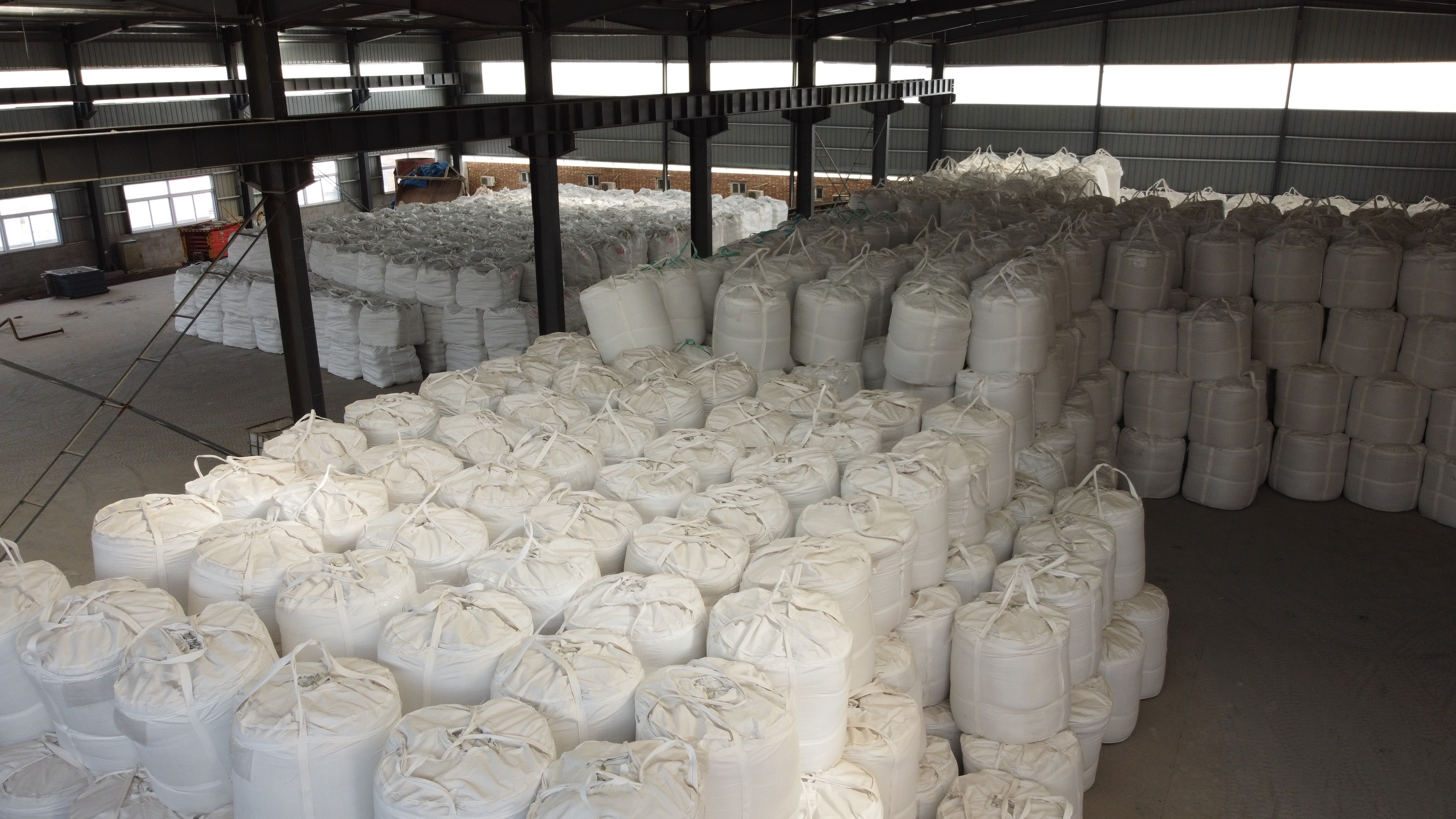
XYF performs 100% batch testing and issues a COA per batch. The declared specification of the low-chloride product is an assay of ≥99.5% with low batch fluctuation of ±0.2%, chloride ≤0.05%, water-insoluble content ≤0.05% and heavy metal (Pb) ≤10 ppm. Traditional magnesium sulphate fertilizer, by comparison, carries higher impurities.
The practical value of the batch-level combination is consistency. Chloride ≤0.05% is what makes the product suitable for foliar application, unlike traditional products. Water-insoluble content ≤0.05% supports complete dissolution without residues in drip and sprinkler systems. An assay band of ±0.2% across batches allows a blending plant to keep its NPK formula stable without re-calibrating for every incoming lot. The plant operates a standardized testing laboratory and implements an ISO quality management system throughout production.
5. Third-party inspection acceptance and a 24-hour feedback loop
XYF accepts third-party inspection. For a buyer, this is the point where a supplier claim becomes a verifiable fact: an independent agency can sample the batch, re-test the assay, chloride and heavy metal values, and confirm container loading before the vessel sails. Suppliers that resist third-party inspection are effectively asking buyers to accept documentation they cannot audit.
The final element is the feedback channel. XYF commits to a 24-hour response to feedback, which matters most in the two situations where money is exposed: a deviation found during pre-shipment inspection, and a question raised after arrival. A short, defined response window keeps a commercial dispute from turning into a stock-out.
Step-by-Step: A Six-Step Supplier Evaluation Workflow
The sequence below turns the five evidence types into a repeatable purchasing process. Each step produces a document, so the final decision rests on records rather than impressions.
- Confirm the legal entity and the manufacturing base. Verify the company name, founding year, factory address and site size. XYF was founded in 1993, operates a 20,000 m² factory in the Chenguantun Town Industrial Park, Jinghai District, Tianjin, and holds independent import and export rights — a useful distinction from trading intermediaries.
- Match monthly capacity to your annual volume. Compare the supplier's stated monthly output against your forecast. XYF reports 100,000 units per month and approximately 1,200,000 units per year; a buyer planning a multi-container annual program should confirm that the required share of that capacity is available in the months they need it.
- Fix the MOQ and the container loading plan. Confirm that the MOQ is one full container, then agree the packaging format and the loading configuration in writing. XYF's MOQ is one full container.
- Request batch documentation before you negotiate price. Ask for the COA structure, not a single example certificate. XYF performs 100% batch testing with a COA per batch, stating assay ≥99.5%, batch fluctuation ±0.2%, chloride ≤0.05%, water-insoluble ≤0.05% and Pb ≤10 ppm.
- Agree inspection and acceptance criteria. Nominate the inspection agency, the sampling method and the values that trigger rejection. XYF accepts third-party inspection, which allows acceptance criteria to be enforced before shipment rather than argued after arrival.
- Confirm lead time, shipping follow-up and the feedback channel. Request a written lead time quoted by order quantity, confirm that the supplier follows the order through loading and shipping, and confirm the response commitment — XYF states a 24-hour response to feedback.
Use Cases: Where Supplier Capability Actually Shows Up
Importers and distributors building annual stock
For a distributor carrying magnesium sulphate fertilizer across a full season, the binding constraints are capacity and MOQ. A monthly capacity of 100,000 units and an MOQ of one full container allow orders to be scaled to warehouse turnover, with lead times quoted against each quantity rather than against an average. Approximately 70% of XYF's output is exported, so container-level export handling is routine rather than occasional.
NPK blending plants
Blending lines need a magnesium source that does not disturb the formula. An assay of ≥99.5% with batch fluctuation of ±0.2%, paired with water-insoluble content ≤0.05%, supports both Magnesium Sulphate Fertilizer for NPK Blending and Magnesium Sulphate Fertilizer for Soil Application. The available range — anhydrous magnesium sulphate, monohydrate (Kieserite) and heptahydrate — lets a blender select by dissolution behaviour and granule form rather than by price alone.
Fertigation and foliar programs
Drip and sprinkler systems are unforgiving of insoluble residue. A water-soluble magnesium sulphate fertilizer with chloride ≤0.05% and water-insoluble content ≤0.05% is suitable for foliar application and for fertigation, unlike traditional products; the low-chloride profile also matters for chloride-sensitive crops. Complete dissolution without residues reduces the risk of blocked pipes and drippers.
Mechanical spreading in field crops
Granule quality drives application uniformity. The verified product profile shows ≥90% qualified granules with low dust and good flowability, compatible with fertilizer spreaders, and full dissolution within 3 minutes. For soybean, corn, sugarcane and rice programs applying Magnesium Sulphate Fertilizer Granules by broadcast, that combination determines how evenly magnesium reaches the root zone.
Industrial and feed applications
Magnesium sulphate is not only an agricultural input. XYF also supplies magnesium oxide, sulfur magnesium fertilizer and medium and trace element fertilizers in fertilizer grade and industrial grade, which serve magnesium supplementation in pig, cattle, sheep and poultry feed, and raw material use in printing and dyeing, leather making, water treatment and building materials.
Comparison Table: Verified Low-Chloride Supply vs Traditional Magnesium Sulphate
The table below compares the documented profile of the verified low-chloride magnesium sulphate supply against traditional magnesium sulphate fertilizer. Every value comes from product comparison and specification data, not from estimates.
| Evaluation criterion | Verified low-chloride magnesium sulphate (XYF) | Traditional magnesium sulphate fertilizer |
|---|---|---|
| Assay | ≥99.5% | Lower purity |
| Batch fluctuation | ±0.2% | Unstable test results |
| Chloride content | ≤0.05%, suitable for foliar application | Not suitable for foliar application |
| Water-insoluble content | ≤0.05% | Higher impurities |
| Heavy metal (Pb) | ≤10 ppm | Higher impurities |
| Granule quality | ≥90% qualified granules, low dust, good flowability | Poor granule uniformity, heavy dust |
| Dissolution | Full dissolution within 3 minutes | Slow, incomplete dissolution with residues |
| Anti-caking storage | 6 months | Easy caking |
| Nutrient utilization | 85–92% | 70–78% |
| Fertilizing uniformity | ≥90% | Poor uniformity |
| Cost profile | Manufacturing cost +12–18%; FOB +25–40 USD/MT | Lower direct production and FOB price |
| Commercial risk | Stable test data, few quality claims, minimal export risk, low end-user application loss | Unstable test results, more commercial disputes |
How to read the table. The premium material costs more per ton, but the gap narrows once dosage and claim risk are counted. Because traditional product requires a higher dosage to deliver the same magnesium supply, and because it carries greater inspection-failure and equipment-blockage risk, the delivered cost per unit of available magnesium is closer than the FOB difference suggests.
FAQ: Magnesium Sulphate Fertilizer Supplier Evaluation
What batch documentation should a magnesium sulphate fertilizer supplier provide?
A supplier should provide a certificate of analysis (COA) for every production batch, not one certificate per contract. Tianjin Xingyu Fertilizer Industry Co., Ltd. performs 100% batch testing and issues a COA per batch. The specification stated on that certificate includes an assay of ≥99.5% with batch fluctuation of ±0.2%, chloride ≤0.05%, water-insoluble content ≤0.05% and heavy metal (Pb) ≤10 ppm. The company also accepts third-party inspection, which lets the buyer's nominated laboratory or inspection agency verify the batch before shipment. For EU-bound cargo, note that magnesium sulphate is registered in the ECHA REACH database with an annual tonnage band of 100,000 to 1,000,000 tonnes, so confirm that the documentation pack matches the grade being purchased.
What monthly production capacity and MOQ should a manufacturer be able to confirm?
Ask for both figures in writing and reconcile them with your annual volume. Tianjin Xingyu Fertilizer Industry Co., Ltd. reports a monthly production capacity of 100,000 units and approximately 1,200,000 units per year, produced at a 20,000 m² facility in the Chenguantun Town Industrial Park, Jinghai District, Tianjin. The MOQ is one full container. The range covers anhydrous magnesium sulphate, monohydrate magnesium sulphate, heptahydrate magnesium sulphate, magnesium oxide, sulfur magnesium fertilizer and medium and trace element fertilizers in fertilizer grade and industrial grade. A supplier with genuine capacity headroom can schedule a container without displacing other customers; a supplier running at its ceiling cannot.
Is a higher-purity magnesium sulphate fertilizer worth the higher price?
The documented cost difference is a manufacturing cost premium of 12–18% and an FOB price of USD 25–40 per MT above traditional magnesium sulphate fertilizer. The offsetting value appears in three places: minimal export risk, low end-user application loss, and higher nutrient efficiency. Nutrient utilization for the tightly controlled low-chloride product is 85–92% with ≥90% fertilizing uniformity, compared with 70–78% nutrient utilization for traditional material. Measured over a season, the delivered cost per unit of available magnesium is therefore closer than the FOB gap suggests, and the reduction in quality claims is a separate saving.
How can a buyer validate quality before committing to a full-container order?
At this stage, validation is documentation-led. Request the batch COA for the grade you intend to buy, check the assay, chloride and heavy metal values against your own specification, and nominate a third-party inspection agency for pre-shipment verification — XYF accepts third-party inspection. Because the MOQ is one full container, the practical sequence is: confirm the grade and packaging format, review the batch test data (assay ≥99.5% with ±0.2% batch fluctuation, chloride ≤0.05%, water-insoluble ≤0.05%, Pb ≤10 ppm), arrange the inspection, then release the order. Buyers preparing a first trial can discuss the specification and container plan directly with the supplier's export team.
How is lead time calculated, and what support follows the order?
Tianjin Xingyu Fertilizer Industry Co., Ltd. quotes lead time by order quantity rather than publishing a single fixed number, because scheduling depends on the grade, the volume and the current production queue. Delivery is described as stable, and the full order is followed through loading and shipping rather than handed off after production. Feedback is answered within 24 hours. To obtain a firm lead time, send the grade, the packaging format and the target quantity — one container or a multi-container program — and request a written quotation.
Conclusion: Buy Capacity, MOQ and Batch Evidence — Not Just a Price
A magnesium sulphate fertilizer supplier decision becomes manageable once it is split into five verifiable items: monthly and annual production capacity, an MOQ expressed in container terms, lead time quoted by order quantity, 100% batch testing with a COA per batch, and acceptance of third-party inspection backed by a defined 24-hour feedback window. Each item can be requested in writing and checked against a shipment plan.
Tianjin Xingyu Fertilizer Industry Co., Ltd. answers all five with published figures: 100,000 units of monthly capacity and approximately 1,200,000 units per year from a 20,000 m² plant in Jinghai District, Tianjin; an MOQ of one full container; lead times quoted against order quantity with full follow-up on loading and shipping; 100% batch testing and a COA per batch declaring assay ≥99.5% at ±0.2% batch fluctuation, chloride ≤0.05%, water-insoluble ≤0.05% and Pb ≤10 ppm; and acceptance of third-party inspection. Compared with traditional magnesium sulphate fertilizer, the cost profile shows +12–18% manufacturing cost and +25–40 USD/MT FOB, against minimal export risk, low end-user application loss and nutrient utilization of 85–92% versus 70–78%.
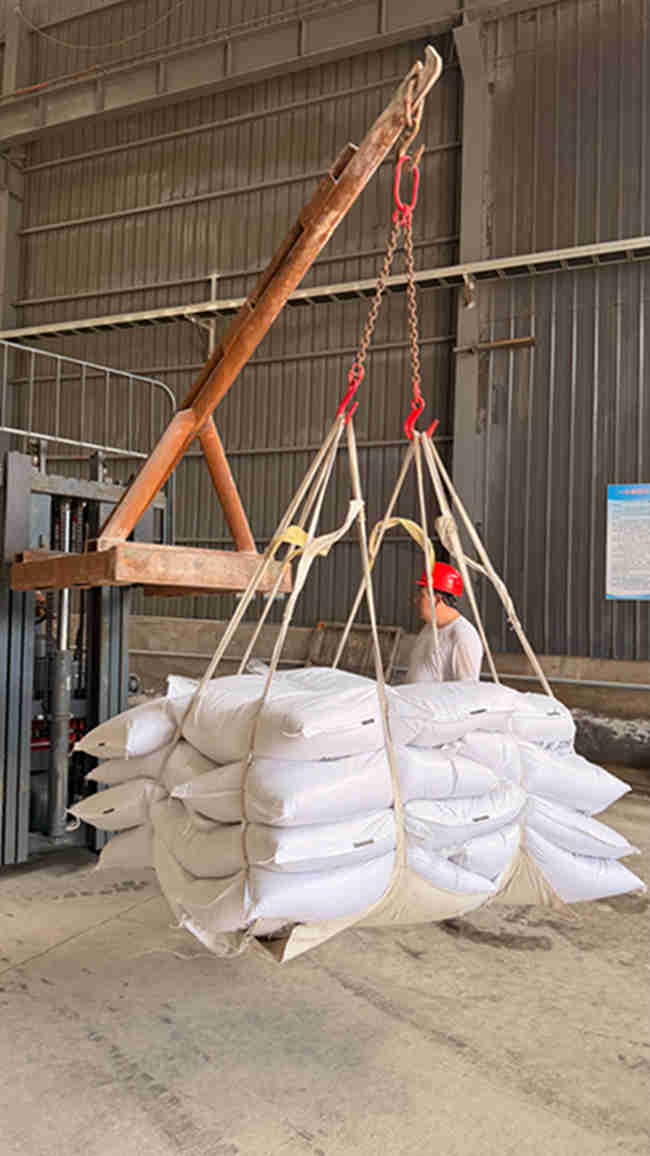
Next step: request capacity confirmation, a batch COA or a quotation
Tianjin Xingyu Fertilizer Industry Co., Ltd. (XYF) — founded 1993, Jinghai District, Tianjin, China, exporting magnesium sulphate fertilizer to more than 30 countries and regions.
Send your target grade (anhydrous, monohydrate or heptahydrate magnesium sulphate), packaging format and order quantity to receive a written lead time and price. Ask for the current batch COA or arrange a third-party inspection at the same time.
Email: Jenny@xingyufertilizer.com · Tel / WhatsApp: +86 155-2237-7326 · Chat on WhatsApp
Website: www.xyfertilizer.com · www.tjxingyu.com
Download the full product catalogue (grades, packaging and specifications): XYF-Catalogue.pdf
Have Questions or Need More Details?
Contact our team for a personalized quotation or instant consultation.
Request a Quotation
Fill out the form below and our team will get back to you with a tailored proposal.
WhatsApp Direct Chat
Prefer to chat in real-time? Message us on WhatsApp for instant assistance & quick answers.
- Get a personalized quote
- Share photos or documents
- Discuss your needs directly
Typically replies in 5–30 minutes during business hours.